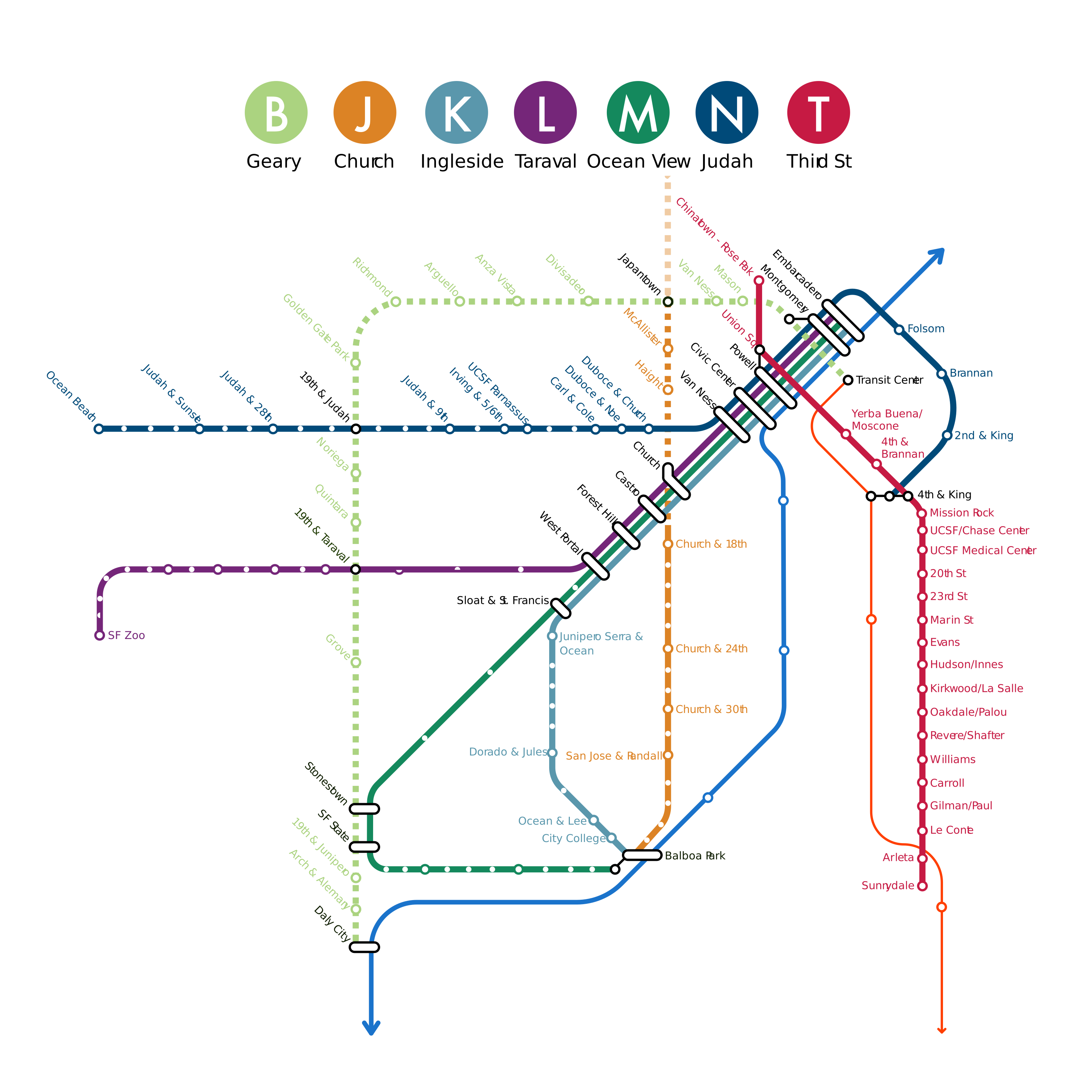
In February of 2026, we got a glimpse into the Geary subway plans du jour (perhaps more appropriately du décennie), and it’s gotten me thinking about the Muni Metro network once again. More specifically, I have been thinking about the immense interlining of the system. The new(ish) Central subway, despite its flaws, has worked towards de-interlining the system, and a Geary subway could be another step in the right direction (if they go with rapid transit instead of commuter rail, but thats a topic for another blog post), but I think that we can go further.
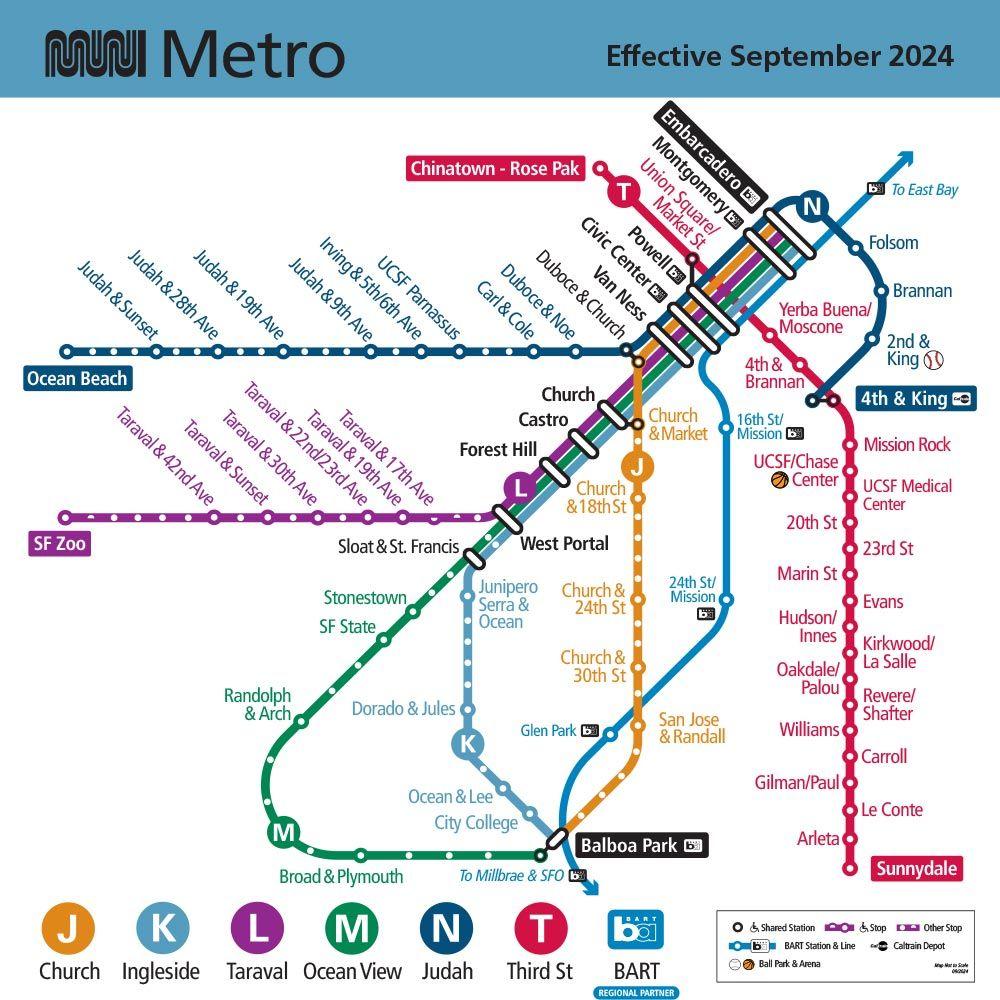
Recently, I stumbled upon an old vision for the future of Muni Metro (New Muni Metro). Its key tenant is 100% de-interlining, replacing service from West Portal to Embarcadero with a new high-floor-only “M - Market” (not the M - Ocean View) service. This has some advantages, such as the lack of a stair requirement in the vehicles and the ability to run longer trains, but ultimately I find it hard to imagine getting past committee. I was, however, inspired by its thoughts on the J - Church.
The J is a bit of an outlier on the Muni Metro network. It is the only non-historic-car line to run exclusively single-car trains, and is also the least frequent service. Its single-car nature is what drove SFMTA to experiment with cutting it short at Church and making people transfer (SFMTA). This allowed for more, longer trains in the Market Street Subway and higher frequency J service, but at the expense of needing a transfer. This change would have been the first stage of “New Muni Metro”s proposal, but with the benefit of hindsight we can see that the idea was not long for this world. I think that part of the problem with this change is that it didn’t offer immediately and meaningfully better service to those who rode the J. While improved operations, reduced delays, and slight frequency increases are a nice benefit, it was not enough to counteract the desire for a 1-seat ride all the way to Embarcadero. This leads me to 3 main pillars I will center in my altered J - Church proposal:
1. Provide Meaningfully New Benefits
Beyond improving the current operations, a major change should provide immediately understandable and significant new benefits to those who will experience the drawbacks. Cutting service in the tunnel? You better offer something nice in return. That isn’t to say that we shouldn’t care about improving current operations; rather:
2. Improve Existing Operations
Changes to the network should work to simplify current operations, especially where heavily interlined. Additionally, it should minimize any added non-service complexity due to the new project. This would include removing current track paths from routes to yards or creating new track with differing gauge, electrification, or weight allowances.
3. Minimize Construction & Staging Woes
Inevitably, these projects will take a long time, and given the city’s (and the country’s) track record it will probably take longer than projected. Therefore, we should take into account construction disruptions not just in the engineering, but also in the planning.
Given these 3 pillars, let’s take a look at what we could do with the J - Church.
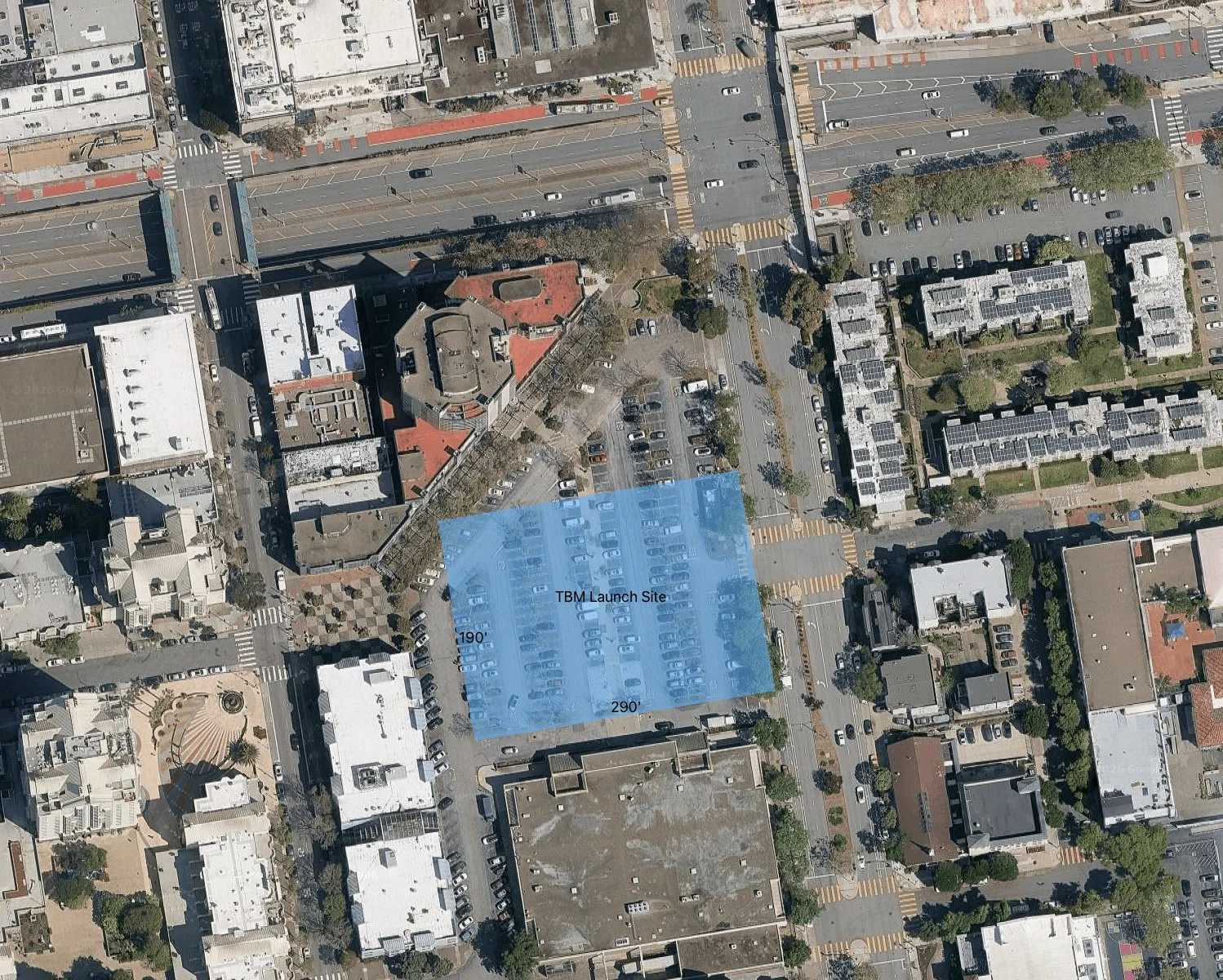
Like the plans in New Muni Metro, my proposal centers around a new tunnel built exclusively for J - Church service. This tunnel goes from somewhere on the current J’s route before Market Street towards somewhere north. This tunnel could go north to Japantown, or extend further to the marina. I think that while eventually it would make sense to go to the marina, its staging location is less appealing, potentially violating pillar #3. An appealing location for staging the tunnel boring machine (TBM), which I will assume is a twin bore similar to the Central Subway’s, is on the corner of Geary and Webster, where there exists a large parking lot that could be acquired and temporarily used to launch a TBM. For the Marina launch, the best I’ve found is a multi-story parking lot with a USPS on the ground level on Lombard and Fillmore, which isn’t as far north as I’d hope it would go. Not exactly prime TBM-launching real estate. There is also parking along the coast at Marina Green, but I am worried about the stability of the earth so close to the water. There is, of course, also the Safeway at Marina and Laguna, but since this is going to be soon redeveloped (Mission Local), I figure it’s a bit too late to alter those building plans. Therefore, I’m going to focus on a (potentially phase-1) tunnel terminating in Japantown.
This tunnel would start at the aforementioned parking lot, with a Japantown station. This would hopefully connect to a Geary subway station (see my previous blog post for my, admittedly problematic, alignment), ideally with the Geary subway’s Japantown station including a J station box in its construction. This station’s exact position should be left up to the plans of the Geary subway, and I will show its location as approximately the Webster & Geary intersection.
From there, the project would travel down Webster, with quite a bit of flexibility. Since we are using a TBM the tunnel can go quite deep; however, for cost reasons I would prioritize keeping it on the shallow side and following existing road alignments. Therefore, I will have it running along Webster until Hermann St. or Duboce Ave, where it will have to dive towards a new underground Church station. This may also have more depth considerations and/or move west earlier to avoid the Duboce Portal for the N and current J. This new Church station would be beneath the existing tunnels at Church, and would likely have to be built out with some sort of underground mining such as SEM rather than cut and cover. Ideally, this would connect directly to the platforms at the current Church station, sharing a region within fare gates. Between these 2 stations, I’d aim for 2 new stations, perhaps around McAllister and Haight for their bus connections and roughly balanced distance. Ideally these stations would be constructed with cut and cover as shallow as possible to minimize cost, but of course there is a balance to be had here with pillar #3.
After Church station is where my proposal differs explicitly from the New Muni Metro plan. That plan calls for a portal as far back as Dolores park between 17th and 18th St, presumably for the natural elevation change there making a portal come out of the hill. I, however, would instead advocate for a portal between the 15th and 16th street intersections of Church. This road currently has dedicated transit-only lanes, meaning that we can remove the 2 center lanes while easily maintaining some amount of road infrastructure around them. This block stretches over 500 feet between sidewalks, giving us plenty of room to go underground. From here, we would then continue on the J’s normal route on the surface.
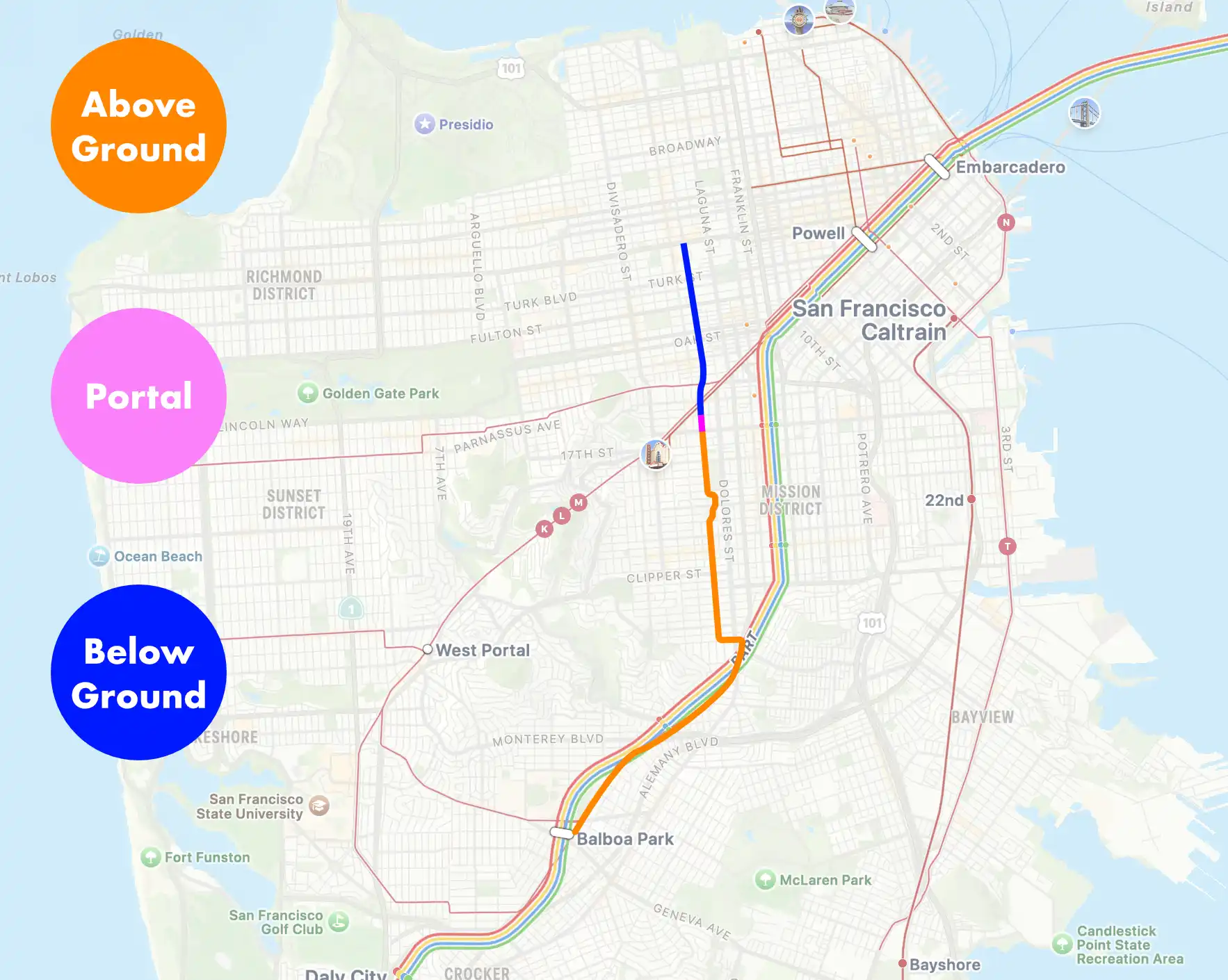
Now that we’ve seen the full route, lets take a look back at our established pillars and see how we’ve done:
1: Provide Meaningfully New Benefits
The most obvious benefit to the line here is new service. We now have the ability to get to Japantown and a new Geary subway via the J without going downtown. The second, less obvious, improvement is in how we build the tunnel. As much as I may wish it, the J - Church is never getting full accessibility in its current state. Too many of the stations are unreasonable to make high level, and putting high floor platforms wherever possible would mean constantly moving the stairs up and down. However, the only reason we need some amount of high-floor accessibility is because of the Market Street tunnel. We can build our new Webster tunnel with low-level platforms, allowing the full line to be low platform. We can then use low-floor vehicles common on tram systems around the world, making accessibility much easier at cramped stations and removing the need for the stairs moving up and down between accessible and non accessible platforms. This does come at the cost of adding a low floor platform at Balboa Park, but I think that this is a relatively simple tradeoff to add to the project.
2: Improve Existing Operations
As discussed at the start, de-interlining the J frees up space in the Market Street subway, allowing for higher frequencies on other lines in the tunnel and net more capacity. Since the 1 car J’s will be replaced with higher car trains on other lines, the net capacity of the tunnel increases. Additionally, we can increase service on the new full route of the J, moving beyond the current 15 minute peak headways.
3: Minimize Construction / Staging Woes
Our new portal placement helps minimize construction and staging issues, and building our tunnel south rather than north further improves the situation. Currently, the F uses a track along 17th St. to get heritage streetcars onto the surface of Market. If we had a portal south of this, we would need a new mechanism to get the trains onto and off of that line. This portal will cut off J tracks, meaning that its current service pattern cannot continue during this period, and therefore we should build it last (necessitating the southbound tunnel building). We can, however, utilize that 17th St. track for an interesting interim option: the J as an extension of the F. Since this track is already used for bring F cars along the J’s route, we can simply use it to extend heritage streetcar service along the path the F trains would take back to the yard. This has been proposed for the J on its own merits, and while it was shot down for its slower speed compared to going underground on Market, I think it is a perfectly serviceable stopgap.
With all of this laid out, I think that a de-interlining extension of the J is shockingly possible. To provide evidence for its merits, we can take a look at bus crowding data from SFMTA. This project, with its eventual extension to the marina, would closely follow the 22 bus route. This route is currently 3-5% crowded. In comparison, the 38r (a route getting improved upon with much more service than this new J - Church) is 5-8%. I have my doubts of whether this could be a real project by the SFMTA/SFCTA given the current state of rail funding, but I would like to see something like it considered in a future transportation plan.
PS:I took the liberty of adding this and a Geary transit line (the one from my blog post, despite its flaws) to a fantasy map of the SF transit network. I think I’ll keep this updated as I write about transit, adding fantasy routes and updating to represent real plans as projects develop.